
Understanding electric circuits is all about understanding the relationship between voltage, resistance and current.

The voltage is the amount of electrical push in the circuit. This is usually controlled by the number of cells. Each cell is 1.5 volt so four cells connected in series are called a 6 volt battery.
The picture to the left offers a good analogy for voltage. It is like the height of the water tower. The higher the tower, the greater the water pressure at the tap. The water will rush out faster for a higher tower.
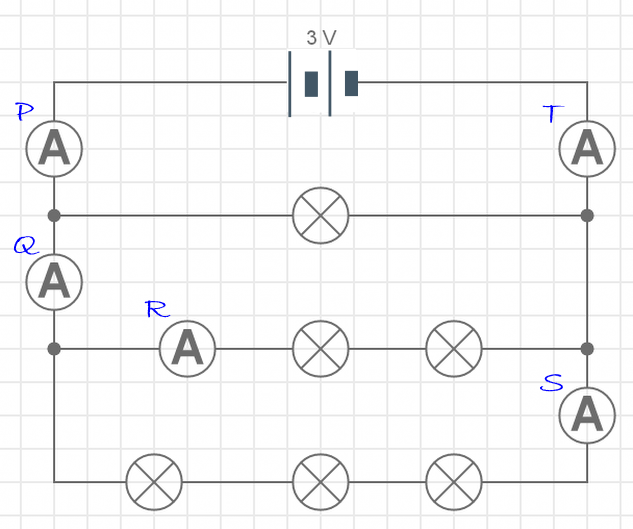
Resistance is the opposition to the flow of electricity. Adding components like lamps and resistors in series increases the resistance. This lowers the current. Adding extra branches (as in a parallel circuit) lowers the resistance because now there are more ways around the circuit. It’s a bit like adding a bypass around a city – the road system can now handle more traffic (a higher current flows).
Just to mix metaphors, the picture below is a good analogy for changing resistance by narrowing a water pipe. Even though the voltage is the same in each case, the flow of water (current) is less in the example with the higher resistance.

It is important to remember that current is the outcome as a result of the other two factors. You can change voltage by adding or removing cells; you can change the resistance by altering how the circuit is connected; the current changes in response to this.
Play with the settings in the app below. You can increase or decrease the voltage and resistance, and the change in the size of the current is then recorded. The letter I is used to represent current.
You can’t alter the current independently, only as a result of changing the voltage or the resistance.
.
Questions…



Comments